
Late period • Pregnancy questions • Common causes • Know your next steps
Why Is My Period Late?
Common Causes Explained.

A late period doesn’t always mean you’re pregnant. Learn some of the common reasons your period may be delayed, when to take a pregnancy test, and when it may be time to seek medical care.
Always Free
No Insurance Needed
Licensed Sonographers
Completely Private
What this page covers:
1 Common reasons your period may be late
2 When pregnancy could be the cause
3 When to take a pregnancy test
4 When to see a healthcare provider
We See You
What You’re Probably Feeling Right Now

We’ve all been there… That dreaded time of the month when all you want is your sweatpants, a bag of chocolate, and your couch. Then one day, you wonder when that awful week will come around again… As much as you hate it, you do need it to come… right? You don’t want to admit it, but you’re late, and you know what that could mean… but hold on, let’s not jump to conclusions just yet. There are a lot of variables that go into being late. So let’s take a step back and define what a period actually is, what the symptoms are, and what causes periods to be late, we can navigate this together. Afterall, knowledge is power, and we want you to be equipped with the knowledge to care for yourself and your needs.
You don’t have to guess. We’ve got you.
Not sure why your period is late — and what that could mean
Unsure when to take a pregnancy test for the most accurate result
Feeling anxious while waiting for answers
Not sure what to trust when searching online
Feeling alone in this moment
Questions
Think You Might Be Pregnant?
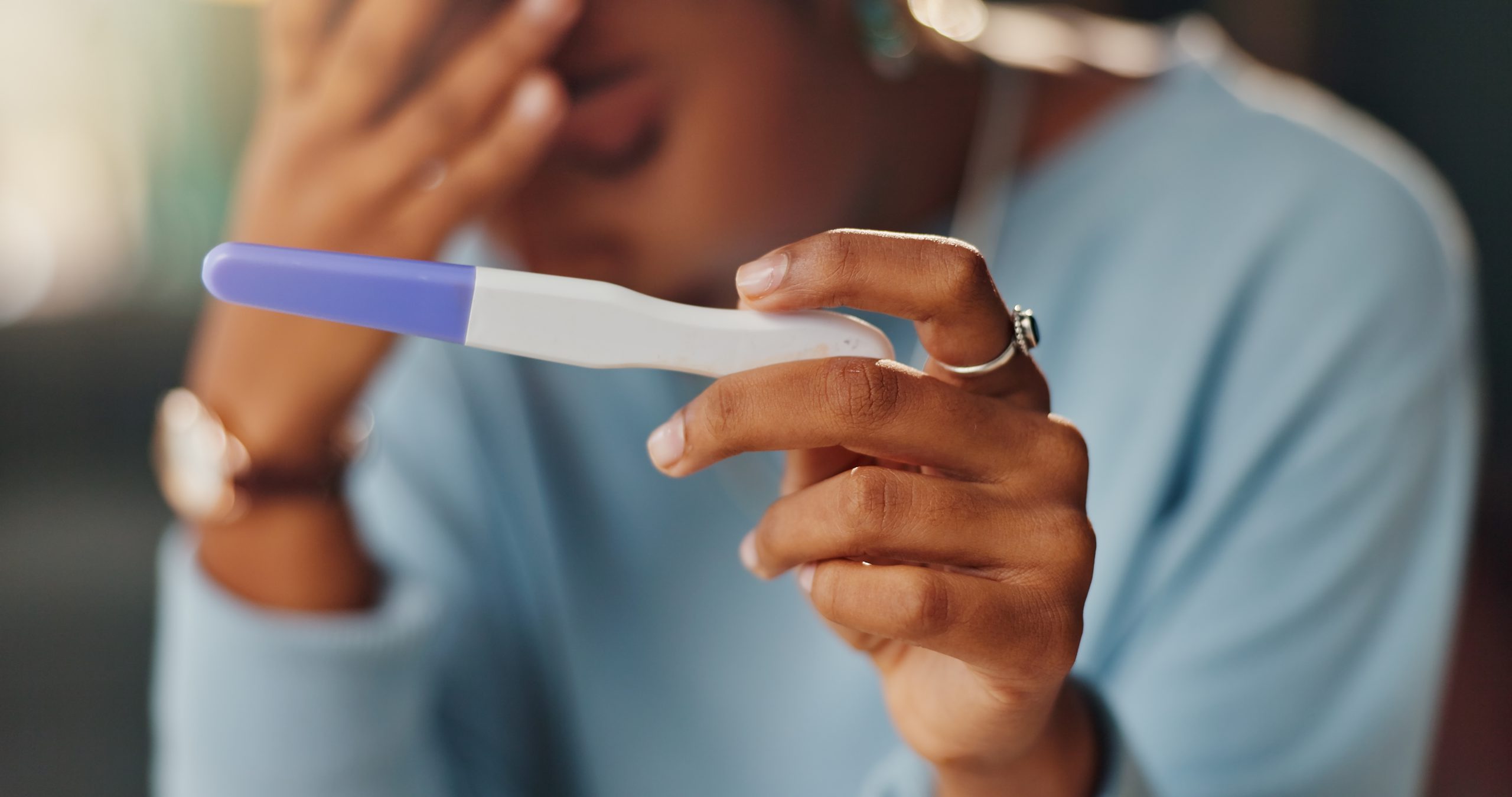
Whether your period is late, you’re noticing pregnancy symptoms, or you’re simply unsure, it’s normal to have questions. Here are answers to some of the most common questions about early pregnancy, pregnancy testing, and what to do next.
Still have a question? A trained counselor is available by phone, text, or chat — no pressure, completely confidential.
So what is a period?
A menstrual period is the shedding of the uterine lining that happens every month in a woman’s reproductive years. This process is controlled by hormones that regulate the menstrual cycle, which typically lasts between 21 to 35 days. During this time, the body changes that can cause physical and emotional symptoms. [1]
We know you know them… Some common period symptoms include cramps, bloating, fatigue, acne, headaches, mood swings, and breast tenderness. Of course, these symptoms vary from woman to woman and can be experienced in varying degrees. The more you know about period symptoms, the better you’ll be to manage them and give your body what you need. [2]
How long do periods last?
The length of a period can vary from woman to woman, but they typically range from three to seven days. Some women experience periods that last longer or shorter than the average length. The factors that can affect the length of a period include age, stress levels, hormonal imbalances, and underlying medical conditions. [2]
For some women, a menstrual period can be a painful and uncomfortable experience, while others may hardly notice it. Regardless of the experience, it’s important to keep track of the duration of your period and any changes in your menstrual cycle.
Period tracking apps can be a helpful resource to predict when your period is supposed to come and they can be helpful to recognize any menstrual irregularities.
If you notice any irregularities, such as a period that lasts longer than usual, it’s best to consult with your healthcare provider. They can help determine any underlying medical conditions may be causing the change in your menstrual cycle.
Understanding how long a period lasts and what is normal for your body can help you take good care of yourself and maintain good reproductive health.
Stress and its impact on periods
Stress can have a significant impact on menstrual cycles and may cause missed or late periods. This is because stress can affect the hormonal balance in the body, which can disrupt the menstrual cycle.
If you are experiencing stress, it is crucial to find healthy ways to manage it, such as exercise, meditation, or talking to a therapist is important. Reducing stress can help regulate your menstrual cycle and improve your overall health.[3]
If you are consistently experiencing stress and it is impacting your daily life, it is important to talk to your healthcare provider to receive appropriate treatment.
Changes in weight and exercise
Changes in weight and exercise can also impact menstrual cycles. Rapid weight loss or gain, and excessive exercise, can disrupt the hormonal balance in the body, leading to missed or late periods.
If you have experienced significant weight loss or gain, or have changed your exercise routine, it is important to talk to your healthcare provider to determine the impact on your menstrual cycle and receive appropriate treatment.
Maintaining a healthy weight and exercise routine is vital to ensure proper menstrual health. [3]
Hormonal imbalances and their impact on periods
Hormonal imbalances can impact menstrual cycles and may cause missed or late periods. This is because hormones play a key role in regulating the menstrual cycle.
If you have a hormonal imbalance such as PCOS, it is important to talk to your healthcare provider to receive appropriate treatment. Treatment may include medication or lifestyle changes to regulate the menstrual cycle. [1]
Medical conditions and their impact on periods
Certain medical conditions, such as thyroid disorders or uterine fibroids, can also impact menstrual cycles and may cause missed or late periods.
If you have a medical condition that is impacting your menstrual cycle, it is important to talk to your healthcare provider to receive appropriate treatment.
Treatment may include medication, surgery, or other interventions to manage the underlying condition and regulate the menstrual cycle. [1]
So could it be pregnancy?
For many women, the most common reason for a late or missed period is pregnancy. If you’ve had sex recently and missed your period, taking a pregnancy test is an important next step.
Searching online and talking to your friends can only get you so far. A medical verification of pregnancy is important to determine whether or not you’re pregnant. That’s why all of our clinics offer free pregnancy tests and ultrasounds, so you can get the answers you need.
For more information on what services we offer, find the clinic near you and give us a call today. We’re here for you!
Also Available
Other Services Available to You at No Cost
Everything below is available through our partner network at no cost — no insurance, no application, no conditions.
Free Pregnancy Test
Clinical-grade pregnancy test at a clinic near you. Results in five minutes, no appointment needed, no cost ever.


Abortion Pill Information
Medically accurate information about the abortion pill. How it works, timelines, side effecsts, and the 72-hour reversal window. Information most women never receive before making a decision.
Ready When You Are
Think you might be pregant? Need to know for sure?
Find a clinic near you or talk to a real person right now — by phone, text, or chat. No cost. Private. Performed by licensed staff. Whenever you’re ready.
Connecting you to clinics across the United States · 100% Confidential